Nitric Oxide Supplements Explained: What They Contain, What They Do, and Where BloodPril Fits
Quick answerNitric oxide supplements do not contain nitric oxide. They hold building blocks the body may use to make it, most often L-arginine, L-citrulline or plant nitrate from foods like beets. Arginine and citrulline trials showed small blood pressure drops at gram doses. Side effects include stomach upset and low blood pressure, and they can add to heart medicines.
- 60-day satisfaction window
- Shipping cost shown before you pay
What is nitric oxide?
Nitric oxide is a gas your body makes in tiny amounts. The thin lining inside your blood vessels releases it. It tells the muscle in the vessel wall to relax.
When vessels relax, they widen, and blood flows with less resistance. That is why nitric oxide matters for circulation and blood pressure.
Nitric oxide lasts only seconds before it breaks down. You cannot store it or swallow it. That is the first thing to know about the supplements named after it.
How does the body make nitric oxide?
The body has two main ways to make nitric oxide. Supplements are built around one or both of them.
The arginine route
Vessel linings use an enzyme to turn L-arginine into nitric oxide. Citrulline is left over, and the kidneys can recycle it into arginine.
The nitrate route
Nitrate from foods like beets and leafy greens is turned into nitrite by mouth bacteria, then into nitric oxide in the body.
What do nitric oxide supplements usually contain?
Most nitric oxide supplements use the same short list of ingredients. Brands mix them in different amounts and add their own extras. Here is what you will usually see.
| Ingredient type | What it is | Mostly studied for | What to check |
|---|---|---|---|
| L-arginine (plain or HCl) | The direct building block of nitric oxide | Blood pressure, at 4 to 24 g a day (Dong et al., 2011) | Amount in grams, not milligrams |
| Arginine AKG (AAKG) | Arginine bound to alpha-ketoglutarate | Exercise, at 3 to 12 g (Campbell et al., 2006) | Part of the weight is the AKG carrier |
| L-citrulline or citrulline malate | Turned into arginine by the kidneys | Blood arginine levels (Schwedhelm et al., 2008) and blood pressure (Mirenayat et al., 2018) | Malate forms hold less citrulline per mg |
| Beet root or plant nitrate | Food nitrate the body can turn into nitric oxide | Circulation and exercise | How much nitrate a serving holds |
| Added extras | Vitamins, herbs or caffeine, depending on the brand | Varies widely | Each extra can carry its own interactions |
Do nitric oxide supplements help blood pressure?
- 5/3mmHg lower than placebo with arginine
- 4-24 garginine a day in those trials
- 11trials in the 2011 meta-analysis
For blood pressure, the best data cover arginine. A 2011 meta-analysis of 11 trials found oral arginine at 4 to 24 g a day lowered pressure by about 5/3 mmHg versus placebo (Dong et al., 2011). A 2019 review of arginine and citrulline called the results modest and mixed (Khalaf et al., 2019).
Citrulline trials were small and used gram doses. Their authors asked for larger, longer studies (Mirenayat et al., 2018). We do not cover nitrate trials in detail here. If you are curious about beet products, ask your doctor how they fit with your medicines.
None of these is a blood pressure medicine. For a closer look at the two amino acids, read our citrulline vs arginine comparison.
What about AAKG and exercise claims?
Much nitric oxide marketing comes from the gym. AAKG is sold to boost blood flow to muscles during workouts. The human research reflects that.
In one study, trained men took 12 g of AAKG a day for 8 weeks. Some strength and power measures improved, and it appeared safe in that group (Campbell et al., 2006). Another study gave a single 3 g dose and found no gain in strength or endurance (Wax et al., 2012).
Neither study tested blood pressure treatment. So a "pump" claim on a workout tub tells you nothing about blood pressure. Our L-arginine AKG page has more on this form.
Who was studied matters
Exercise studies used young, trained adults. Results in that group may not apply to older adults or people on heart medicine.
What are the side effects of nitric oxide supplements?
Nitric oxide itself is not the issue, since supplements do not contain it. The side effects come from the ingredients. For arginine and citrulline, reports include:
Nitric oxide supplement side effects to watch for
- Stomach upset, nausea or cramps
- Bloating and gas
- Diarrhea, mainly at larger doses
- Low blood pressure, felt as dizziness or lightheadedness when standing
Interactions and the heart attack warning
Arginine might make blood pressure drop too low with nitroglycerin, sildenafil or blood pressure drugs (Mayo Clinic, L-arginine). Citrulline may add to blood pressure drugs and nitrates in the same way (WebMD, L-citrulline).
After a heart attack, an arginine trial was stopped early because more deaths occurred in the arginine group (Schulman et al., JAMA 2006). If that is your history, talk to your cardiologist before any nitric oxide product. Our post on supplements with blood pressure medication covers how to ask.
Two safety rules
Never stop, skip or change prescribed blood pressure medicine because of a supplement. A reading above 180/120 with chest pain, shortness of breath or weakness needs 911 (AHA, Blood pressure readings).
How do you read a nitric oxide supplement label?
Labels in this category can be hard to judge. These checks help you compare any two products fairly.
- 01
Find the amounts
A proprietary blend gives one total weight. Separate amounts tell you far more.
- 02
Compare grams to grams
Studies used grams a day. A few hundred milligrams is a different dose.
- 03
Note the form
AAKG, HCl and malate forms include carrier weight, so they hold less of the amino acid.
- 04
Read the claims
Health claims in ads should be backed by solid evidence (FTC, Health Products Compliance Guidance). Cure or replace-your-medicine wording is a red flag.
- 05
Remember who checks
The FDA does not approve supplements before they are sold (FDA, Q&A on Dietary Supplements). The asterisk on the label points to that.
Where does BloodPril fit?
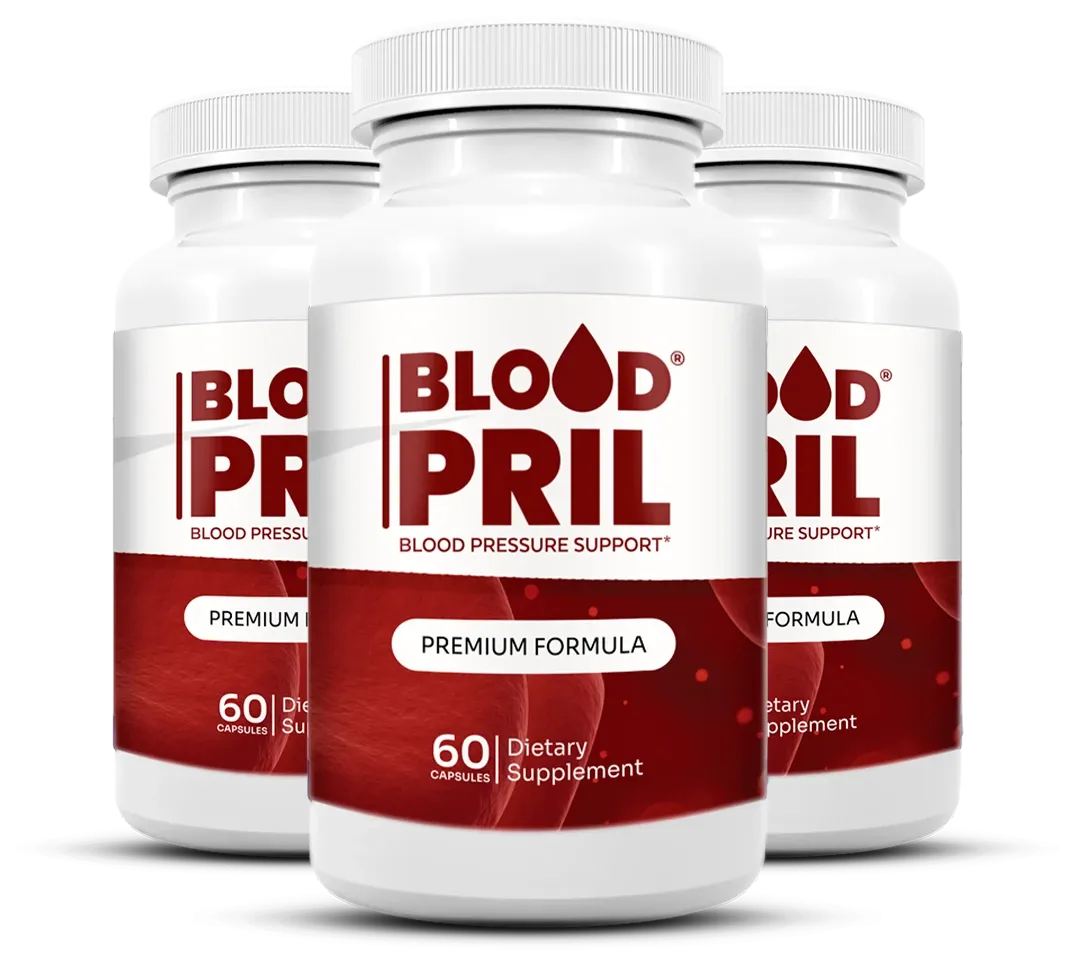
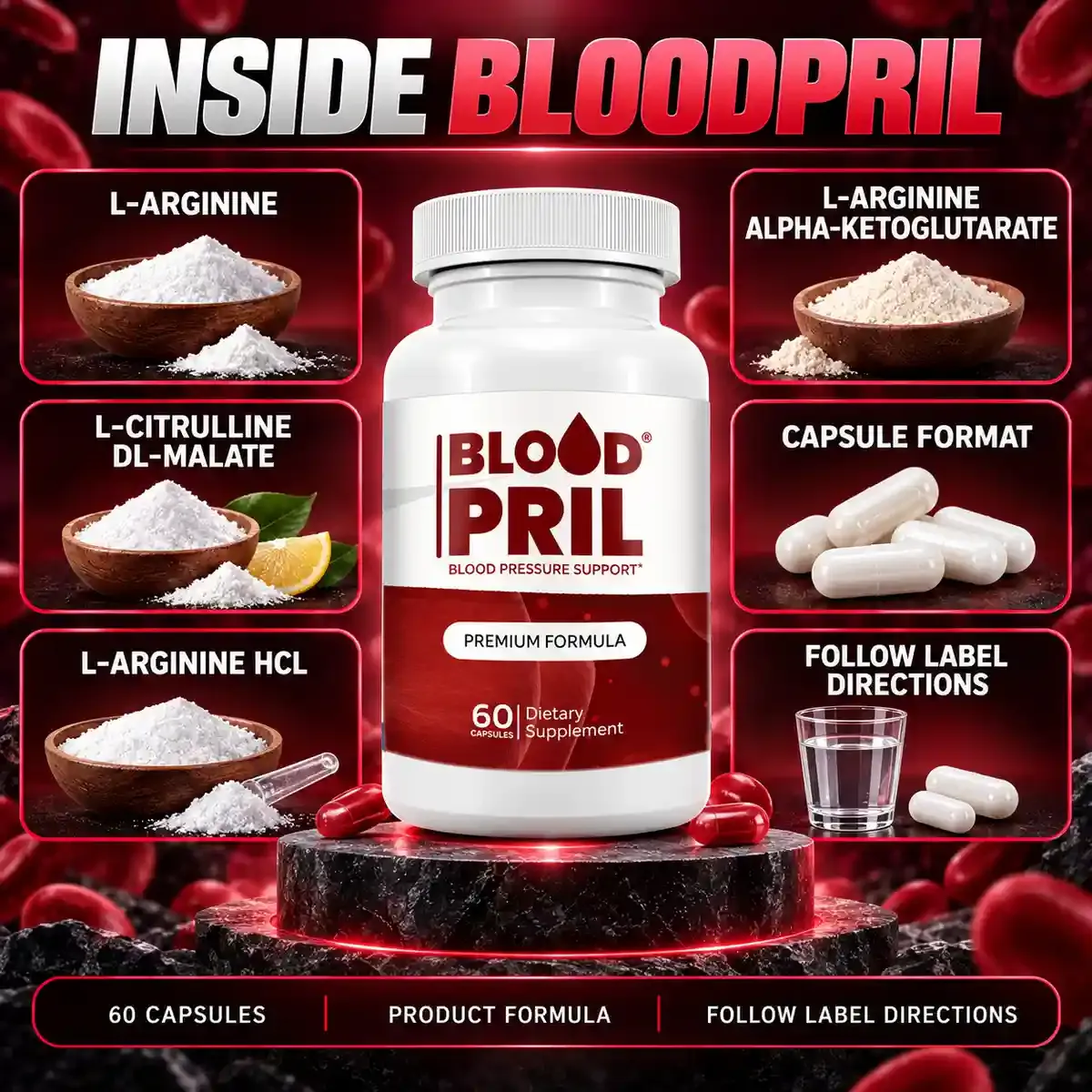
BloodPril is a nitric oxide style formula aimed at daily circulation support rather than workouts. Its 500 mg blend holds L-Citrulline DL-Malate, L-Arginine AKG and L-Arginine HCL. The how it works page walks from capsule to cuff.
Honest note
The whole blend is 500 mg, shared by three ingredients and their carriers. Trials that moved blood pressure used grams a day. No trial of BloodPril itself has been published.
What you do get is simple. One capsule a day with water, a short label, a vegetarian capsule and clear pack prices. The ingredients page shows every line of the label.
- L-Citrulline DL-Malate At least 167 mg
- L-Arginine Alpha-Ketoglutarate Up to 250 mg
- L-Arginine HCL Up to 167 mg
Nitric oxide supplements FAQ
What do nitric oxide supplements do?
They supply raw materials, such as arginine, citrulline or nitrate, that the body may use to make nitric oxide. They do not contain the gas itself.
Do nitric oxide supplements lower blood pressure?
Some ingredients lowered blood pressure a little in trials at gram doses. They are not a replacement for blood pressure medicine, and results vary.
What are the side effects of nitric oxide supplements?
Reported side effects of arginine and citrulline include stomach upset, bloating, diarrhea and low blood pressure that can feel like dizziness.
Who should not take nitric oxide supplements?
People who have had a heart attack, take nitrates, sildenafil-type drugs or blood pressure medicine, or have kidney or liver disease should ask a doctor first. The same goes for pregnancy and nursing.
Are nitric oxide supplements safe for older adults?
They may be, but older adults often take several medicines that lower blood pressure. Ask your doctor or pharmacist to check your full list first.
Is beet juice a nitric oxide supplement?
Beets are a food source of nitrate, which the body can turn into nitric oxide. Concentrated beet products are sold in the same category, so ask your doctor if you take heart medicine.
What is the best nitric oxide supplement?
No single product can honestly be called the best. Look for a label that prints each amount, avoid big promises and ask your doctor about your medicines.
Is AAKG a nitric oxide booster?
AAKG is a form of arginine sold as a nitric oxide booster for workouts. Human studies looked at exercise at 3 to 12 g, with mixed results, not at blood pressure.
Does BloodPril contain nitric oxide?
No. BloodPril contains a 500 mg blend of citrulline malate and two arginine forms, which are building blocks the body uses to make nitric oxide.
Ready to try BloodPril?
1 capsule a day, 60 per bottle, from $49 a bottle on the 6-bottle pack, with a 60-day satisfaction window. Taking blood pressure medicine? Ask your doctor first.