How to Check Blood Pressure at Home Correctly: The BloodPril Guide
Quick answerUse a validated upper-arm cuff. Skip caffeine, exercise and smoking for 30 minutes. Then sit quietly for 5 minutes with your back supported, feet flat and arm resting at heart level. Take two or three readings about a minute apart. Check at the same times each morning and evening, and write every number down.
- 60-day satisfaction window
- Shipping cost shown before you pay

Why check blood pressure at home?
- Nearly 1 in 2U.S. adults have high blood pressure
- 2 to 3readings each time you check
- 5 minof quiet rest before you measure
High blood pressure is common. Nearly half of U.S. adults have it, and many do not have it under control (CDC, High blood pressure facts). It often causes no symptoms at all (MedlinePlus, High blood pressure).
A single office reading is one moment in your day. Home readings show your usual numbers over weeks. They help your doctor see whether your plan is working.
New to the numbers? Our blood pressure basics guide explains what they mean in plain words.
What kind of blood pressure monitor should you use?
The American Heart Association recommends an automatic, validated upper-arm cuff for home use (AHA, Home monitoring). Validated means the model was tested for accuracy against a standard method. A cuff that fits your arm matters just as much.
What to look for in a home blood pressure monitor
- Upper-arm cuff, not wrist or finger. Upper-arm models are what the AHA recommends.
- Validated for accuracy. Check the box, the maker's site or the U.S. validated device list at validatebp.org.
- The right cuff size. Measure around the middle of your upper arm and match it to the cuff range on the box.
- Easy to read. A large screen and simple buttons help if your eyesight is not what it was.
- Memory or app storage, so you do not lose readings. Paper still works fine.
- Checked at the clinic. Bring the cuff to an appointment once and compare it with the office reading.
How to take blood pressure correctly, step by step
Taking blood pressure correctly comes down to the same steps every time. They follow American Heart Association home monitoring advice (AHA, Home monitoring). It takes about ten minutes, including the rest.
Use a validated upper-arm cuff
Choose an automatic upper-arm monitor that has been tested for accuracy, with a cuff that fits your arm.
Prepare for 30 minutes
Skip caffeine, exercise and smoking for 30 minutes before you measure, and empty your bladder.
Sit the right way
Sit in a chair with your back supported, feet flat on the floor and legs uncrossed.
Put the cuff on bare skin
Wrap the cuff on your bare upper arm, just above the bend of the elbow. Rest the arm on a table at heart level.
Rest for 5 minutes
Sit quietly before you press start. No phone, no TV, no talking.
Take two or three readings
Take two or three readings about one minute apart, staying still and quiet the whole time.
Write down every number
Record the date, time, both numbers and pulse for each reading, plus anything unusual.
Repeat at the same times
Measure in the morning and evening at about the same times each day, and bring the log to your doctor.
What is the best time to check blood pressure?
The best time to check blood pressure is the same time every day. Most doctors ask for a morning and an evening check. Consistency matters more than the exact hour.
- Morning
Within an hour of waking, after using the bathroom. Measure before breakfast, coffee and your medicine, unless your doctor says otherwise.
- Evening
Before dinner or before bed, at about the same time each night.
- Before a visit
Take a full week of morning and evening readings so your doctor has a clear average.
- After a change
When a medicine, dose or supplement changes, log carefully for the next few weeks.
Avoid checking right after a workout, a big meal or a stressful phone call. Those moments push numbers up for a short time and can mislead you.
Which mistakes throw off a home reading?
Small habits can move a reading a surprising amount. Most of them are easy to fix once you know them.
| Mistake | Why it matters | Easy fix |
|---|---|---|
| Cuff over a sleeve | Fabric changes how the cuff squeezes | Roll the sleeve up or take it off |
| Wrong cuff size | A cuff too small or too large gives false numbers | Measure your arm and match the cuff range |
| Arm hanging down | The arm sits below heart level | Rest it on a table at chest height |
| Legs crossed | Crossing the legs can push pressure up | Keep both feet flat on the floor |
| Talking or scrolling | Talking and stress raise the reading | Sit quietly; save the chat for later |
| Full bladder | Needing the bathroom can push numbers up | Use the bathroom first |
| Coffee or a cigarette | Caffeine and nicotine raise pressure for a while | Wait 30 minutes after either |
| Only one reading | One number can be an outlier | Take two or three, a minute apart |
What do your blood pressure numbers mean?
Each reading has two numbers. Systolic, the top number, is the pressure when the heart beats. Diastolic, the bottom number, is the pressure between beats. The American Heart Association groups readings like this (AHA, Blood pressure readings).
| Category | Top number (systolic) | And / or | Bottom number (diastolic) |
|---|---|---|---|
| Normal | Less than 120 | and | Less than 80 |
| Elevated | 120 to 129 | and | Less than 80 |
| High, stage 1 | 130 to 139 | or | 80 to 89 |
| High, stage 2 | 140 or higher | or | 90 or higher |
| Severe range | Higher than 180 | and/or | Higher than 120 |
When a reading is an emergency
A reading above 180/120 with chest pain, shortness of breath, back pain, numbness, weakness, vision change or trouble speaking: call 911. With no symptoms, rest for a few minutes and check again. If it is still that high, call your doctor right away.
How do you keep a blood pressure log?
A log turns a pile of numbers into something your doctor can use. Paper, a notes app or the cuff's memory all work. What matters is that you write down every reading.
| Column | What to write | Example |
|---|---|---|
| Date and time | When you measured | Tue, 7:10 am |
| Reading 1 | Top and bottom numbers, plus pulse | 126/78, pulse 66 |
| Reading 2 | Taken one minute later | 122/77, pulse 64 |
| Reading 3 | Optional third reading | 121/76, pulse 64 |
| Arm used | Left or right, the same each time | Left |
| Medicine taken? | Before or after your dose | Before |
| Notes | Anything unusual that day | Poor sleep, salty dinner |
Do not delete high readings or keep only the best one. Your doctor needs the honest picture, including the odd spikes.
How should you track readings while taking a supplement?
If you take any supplement for blood pressure support, your cuff log is the only way to see what is happening. Arginine and citrulline may lower pressure and may add to blood pressure drugs (Mayo Clinic, L-arginine). Read our post on supplements and blood pressure medicine before you start one.
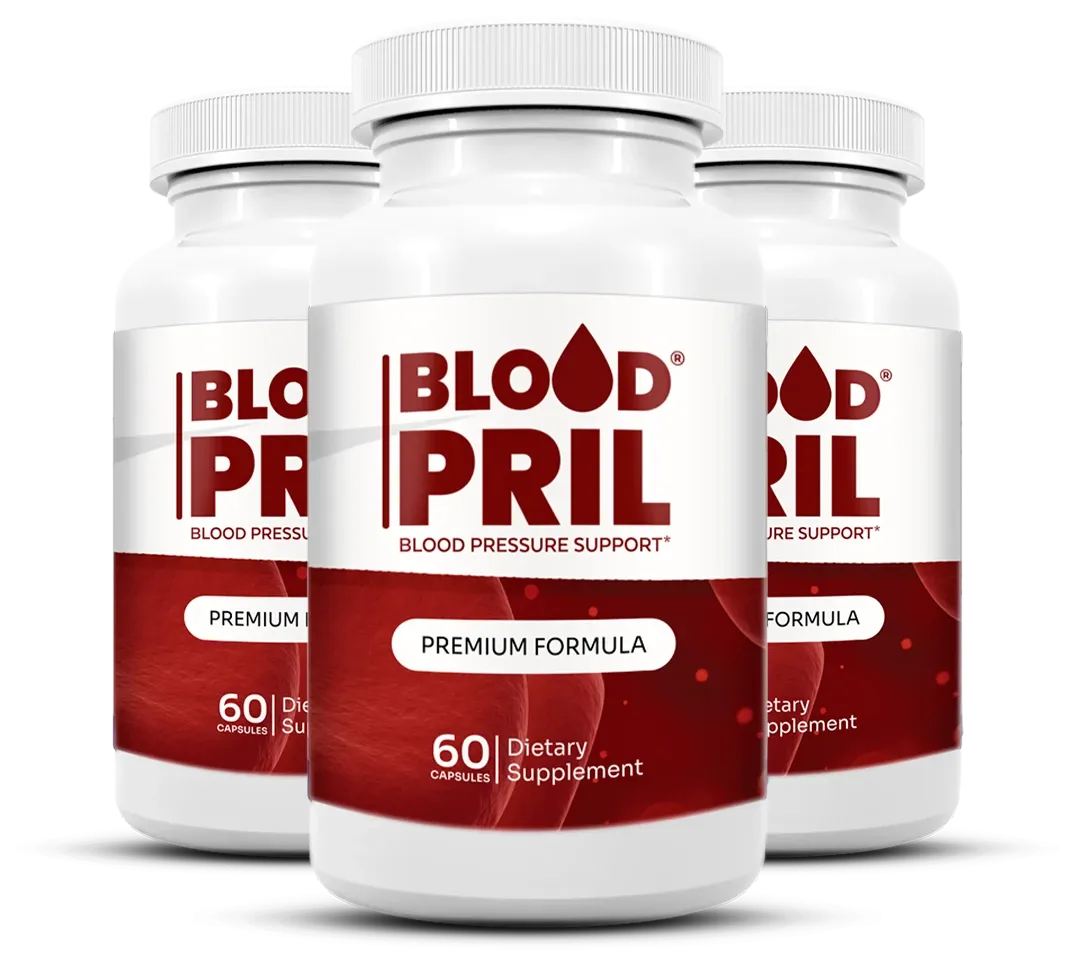
If you try BloodPril, the how to use BloodPril page covers the daily routine. The sales page asks for at least 30 days of use, and the window to ask for a refund is 60 days from purchase. A steady log makes that decision easier. See the guarantee page for the details.
Checking blood pressure at home FAQ
What is the best time to check blood pressure?
Morning and evening, at about the same times each day. In the morning, check before medicine, food and coffee, unless your doctor gives other advice.
How many times should I take my blood pressure in a row?
Take two or three readings about one minute apart. Write down all of them rather than only the lowest one.
Which arm should I use to check blood pressure?
Ask your doctor to compare both arms once. After that, use the arm that reads higher, and use the same arm every time.
Are wrist blood pressure monitors accurate?
Upper-arm cuffs are the type the American Heart Association recommends for home use. Wrist readings shift more with arm position, so they are easier to get wrong.
Why is my blood pressure higher at the doctor's office?
Some people read higher in a clinic because of nerves or rushing. This is often called white coat high blood pressure, and home readings help your doctor see the full picture.
Should I check blood pressure before or after my medicine?
Most people check in the morning before taking medicine. Follow your doctor's advice if they ask you to measure at a different time.
What blood pressure reading is too high at home?
A reading over 180/120 with chest pain, shortness of breath, back pain, numbness, weakness, vision change or trouble speaking needs 911. Without symptoms, rest a few minutes, check again and call your doctor if it stays that high.
Can I check my blood pressure without a cuff?
Not reliably. You cannot feel or count blood pressure the way you can count a pulse, so a validated cuff is the tool to use.
Can a supplement change my home readings?
Some supplements, such as arginine and citrulline, may lower pressure. That is why you log readings and never change your medicine without your doctor.
Ready to try BloodPril?
1 capsule a day, 60 per bottle, from $49 a bottle on the 6-bottle pack, with a 60-day satisfaction window. Taking blood pressure medicine? Ask your doctor first.